A History of the World's Most Persistent Medium
The Story of Radio
From a garden in Italy to 82% of America, every week, for over a century. Scroll through the journey.
1887
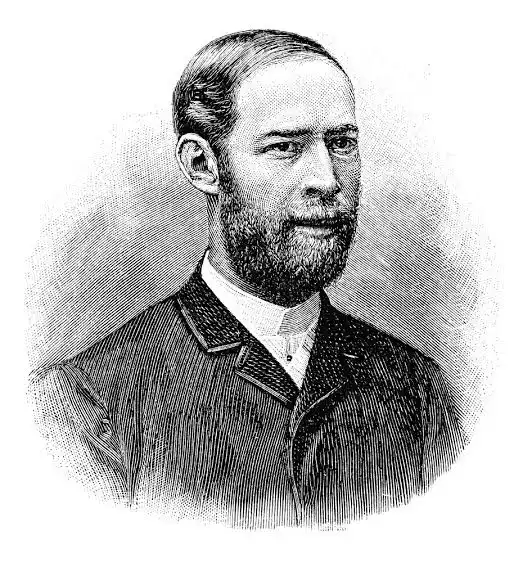
Heinrich Hertz proves that electromagnetic waves can be transmitted through the air. Nobody knows yet what they've just unlocked.
1895
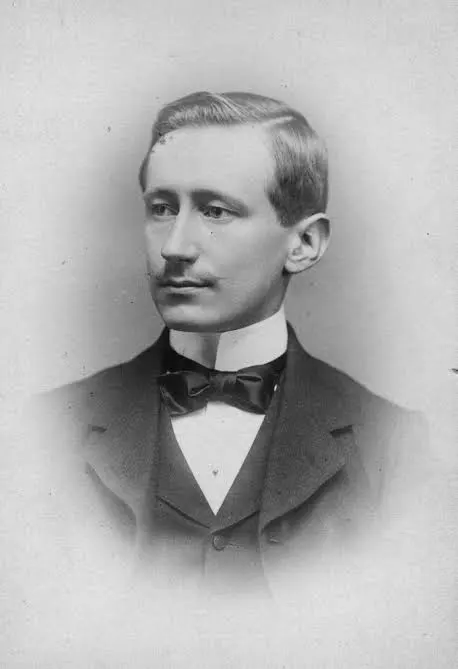
Guglielmo Marconi transmits a radio signal across his father's Italian estate — about a mile and a half. The age of wireless communication begins in a garden.
1901
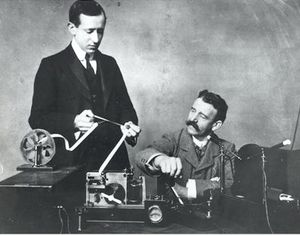
Marconi transmits the letter "S" in Morse code across the Atlantic Ocean, from Cornwall, England to Newfoundland, Canada. The world suddenly gets much smaller.
1906
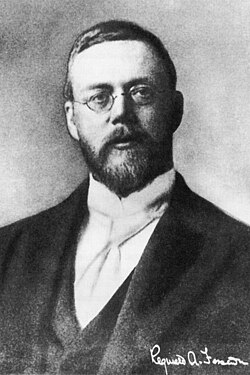
Christmas Eve. Reginald Fessenden broadcasts the first known radio program — music and a Bible reading — to ships at sea. Wireless operators hear a human voice for the first time and are reportedly stunned.
1910
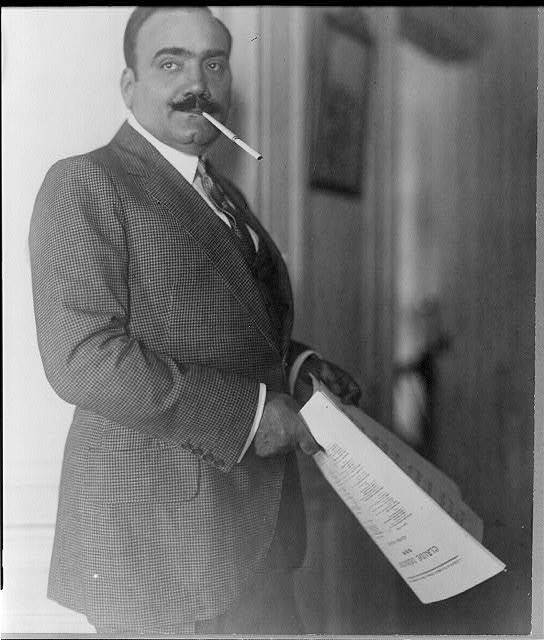
The first live opera broadcast originates from the Metropolitan Opera in New York. Enrico Caruso's voice travels through the air to anyone with a receiver. The idea of radio as entertainment, not just communication, is born.
1916
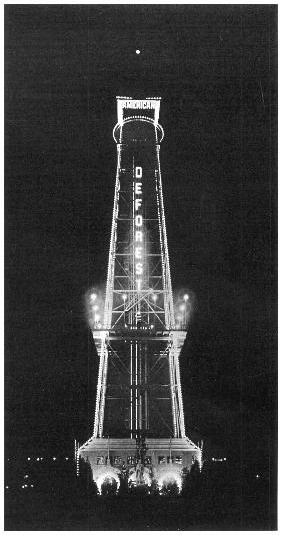
Lee de Forest broadcasts election returns from his experimental station in New York. Radio as a news medium takes its first breath.
1920
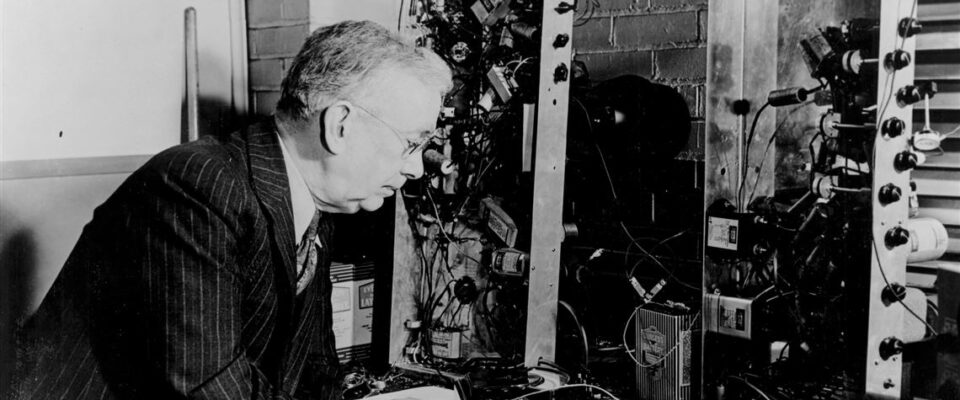
KDKA in Pittsburgh becomes the first licensed commercial radio station in America, broadcasting the Harding-Cox presidential election results on November 2nd. Modern radio is born. Within two years, 500 stations are on the air.
1926
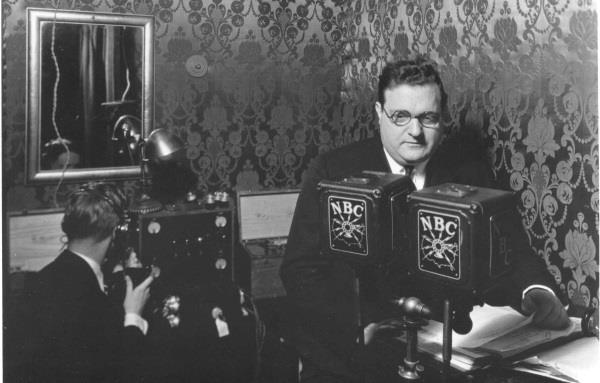
NBC launches as the first national radio network, connecting stations coast to coast. For the first time, a single broadcast reaches millions simultaneously.
1933
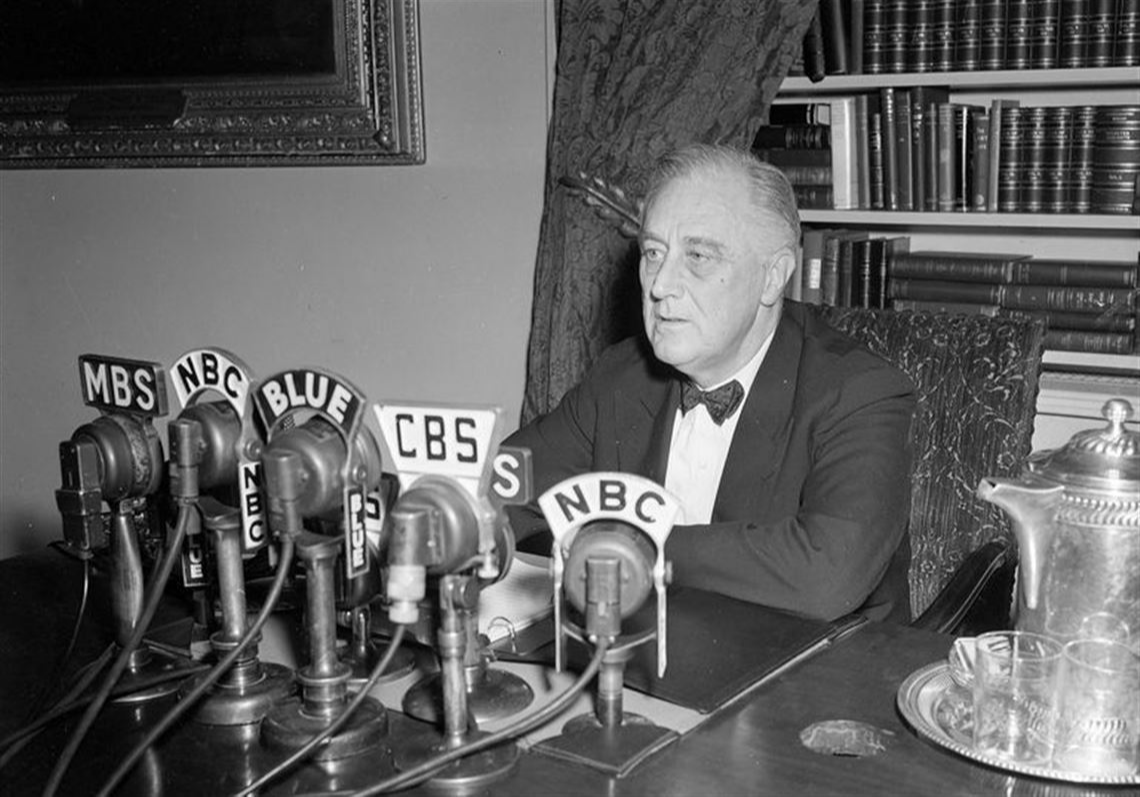
Franklin Roosevelt delivers the first of his "Fireside Chats," speaking directly into American living rooms during the Great Depression. Radio becomes the voice of reassurance for a frightened nation. 30 million people listen.
1938
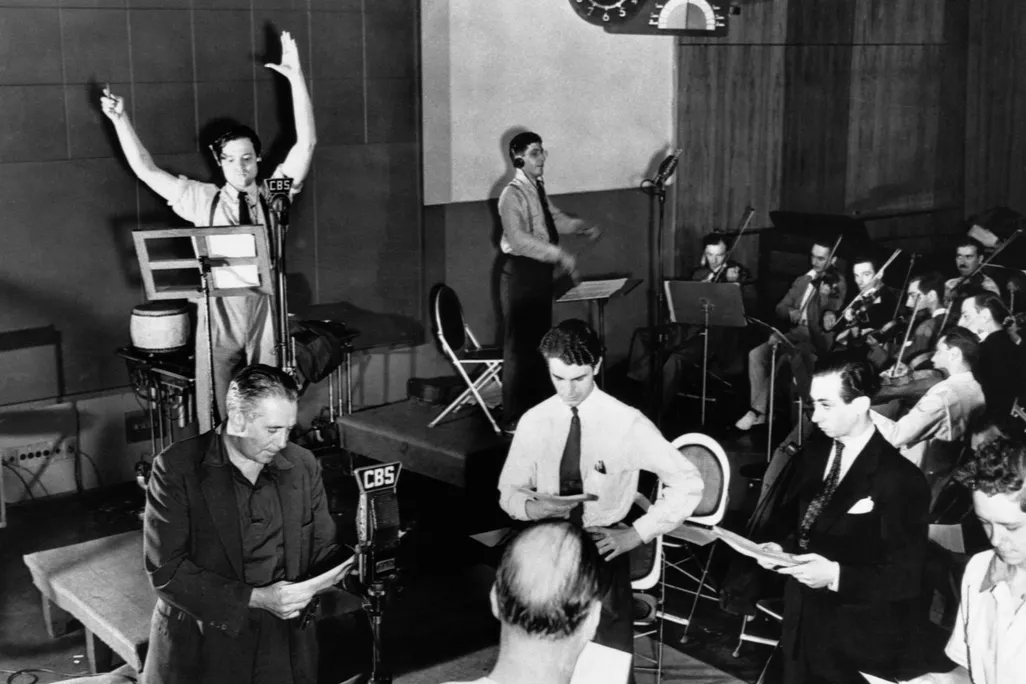
Orson Welles broadcasts "The War of the Worlds" on CBS Radio. Thousands believe Martians have actually landed in New Jersey. No medium before or since has demonstrated radio's raw power over the imagination quite so dramatically.
1941

The morning of December 7th. Radio carries news of the attack on Pearl Harbor to a nation at breakfast. Within hours, the entire country knows. Radio proves itself the essential thread connecting Americans in crisis.
1950s
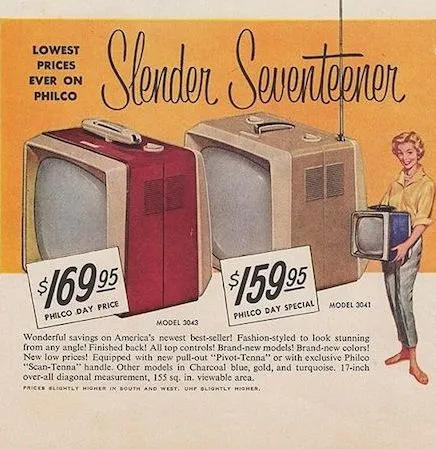
Television arrives and the critics declare radio dead. Radio responds by reinventing itself around music, personality, and local community. A new format called Top 40 turns radio into the beating heart of youth culture. The critics are wrong.
1954
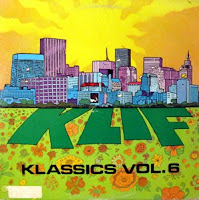
Gordon McLendon's KLIF in Dallas perfects the Top 40 format. Radio and rock and roll grow up together. Every generation finds its soundtrack on the dial.
1960
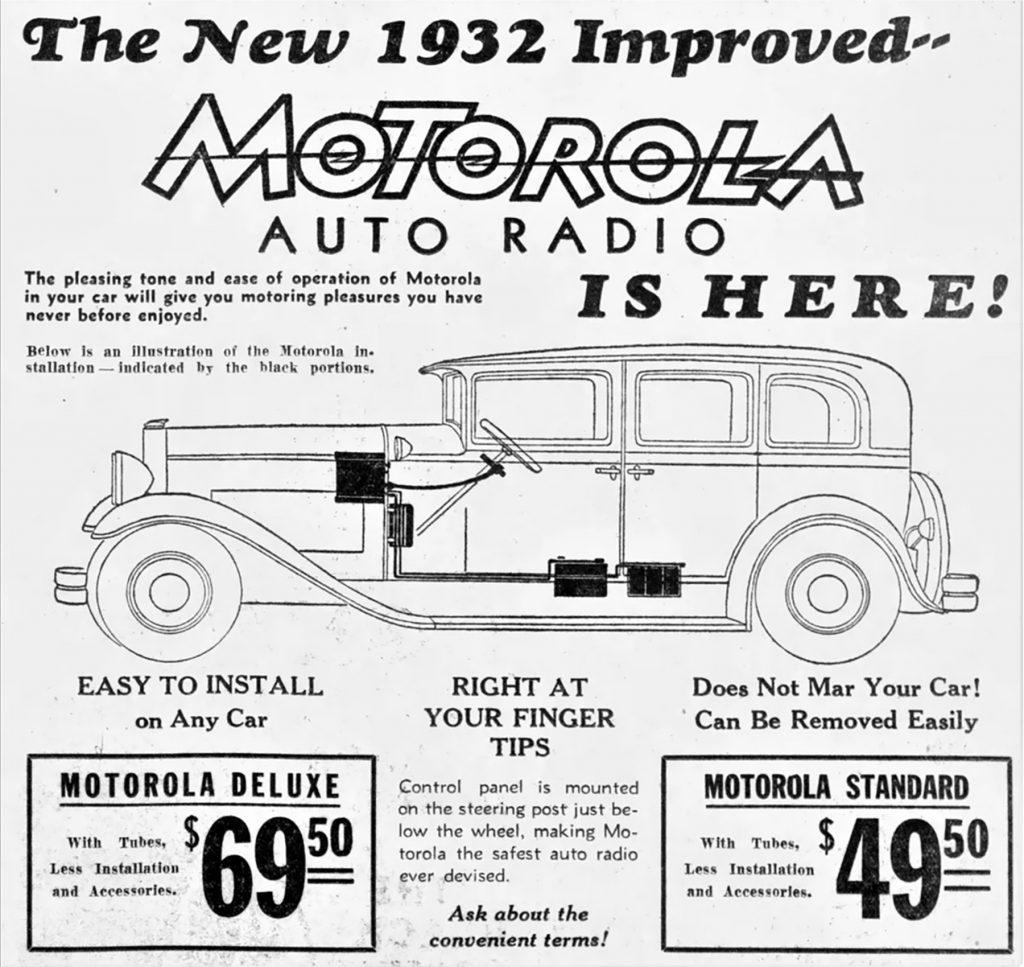
More than 3,500 radio stations are broadcasting across America. The car radio becomes standard equipment, and radio becomes the permanent companion of the American commute — a relationship that holds to this day.
1978
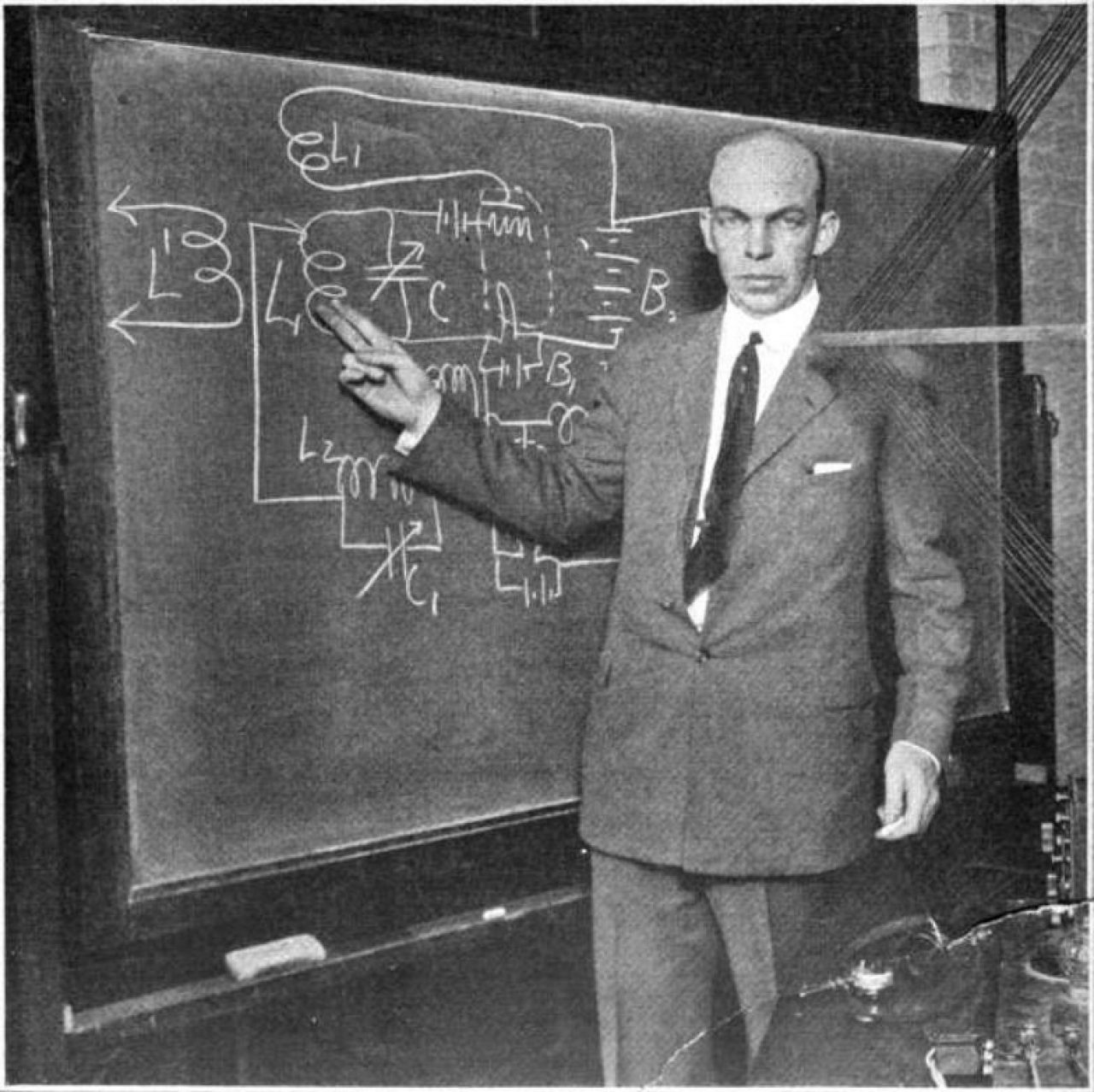
The FCC authorizes stereo FM broadcasting. Audiophiles migrate to FM. The rich, warm sound of music on radio reaches a new peak. Album-oriented rock, smooth jazz, and adult contemporary formats flourish.
1987
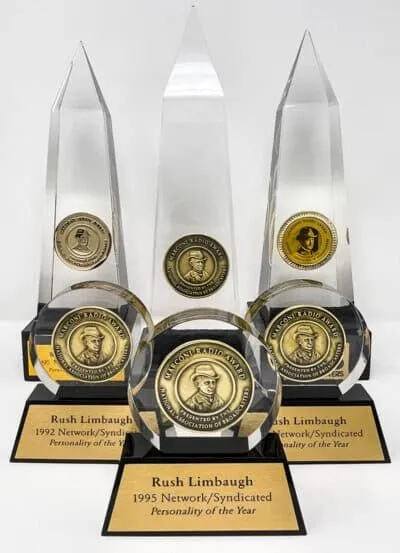
The FCC eliminates the Fairness Doctrine, opening the door to opinion and talk formats. Rush Limbaugh launches nationally the following year. Talk radio becomes a cultural and political force.
1996
The Telecommunications Act passes, allowing large-scale consolidation of radio ownership. The industry transforms almost overnight. Thousands of stations change hands. The debate about what radio owes its communities begins in earnest — and continues today.
2001
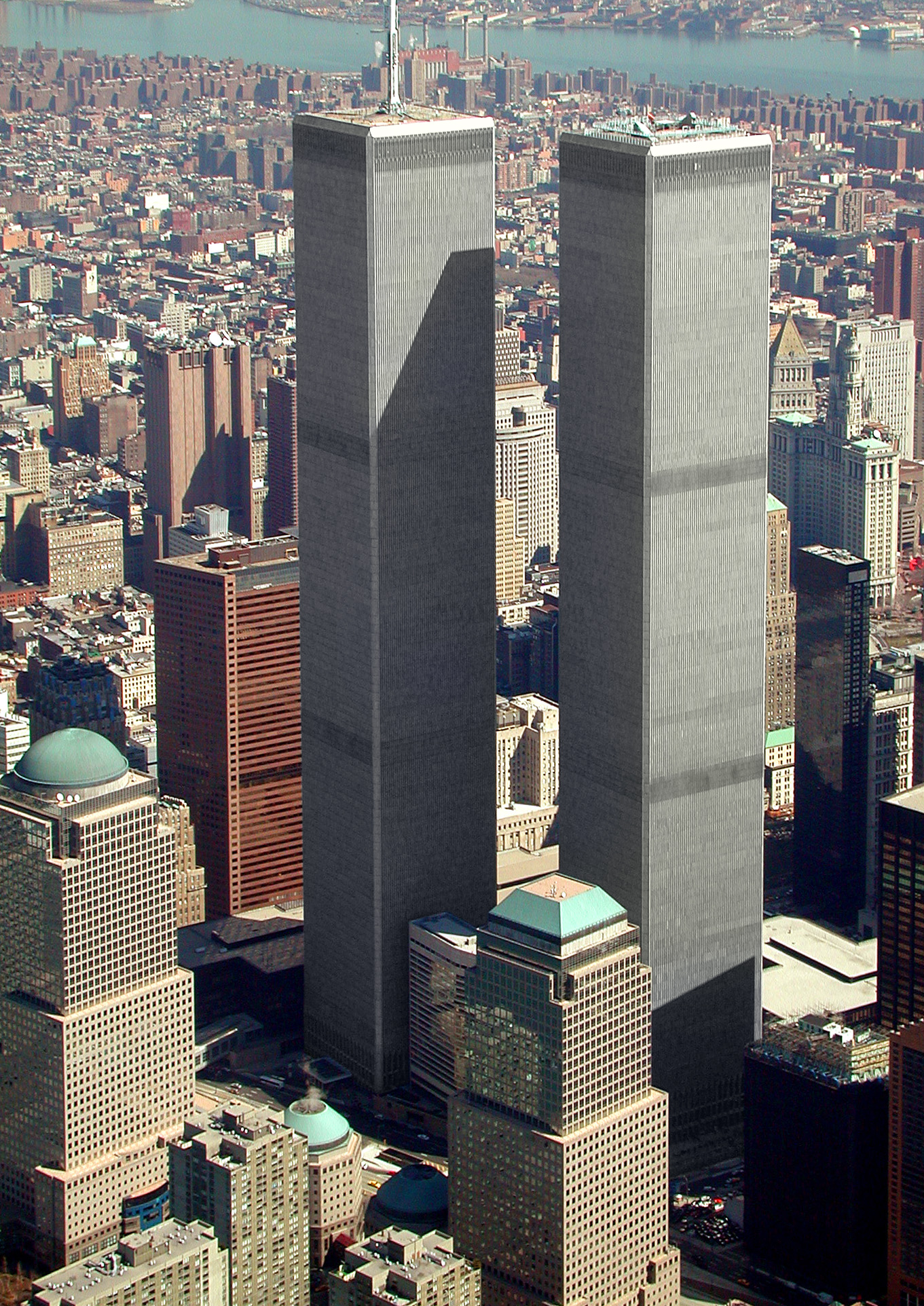
September 11th. When the internet buckles under traffic and television struggles to keep up, radio provides continuous, uninterrupted coverage to millions. In cars, offices, and kitchens across America, people reach for the radio. They always do.
2005
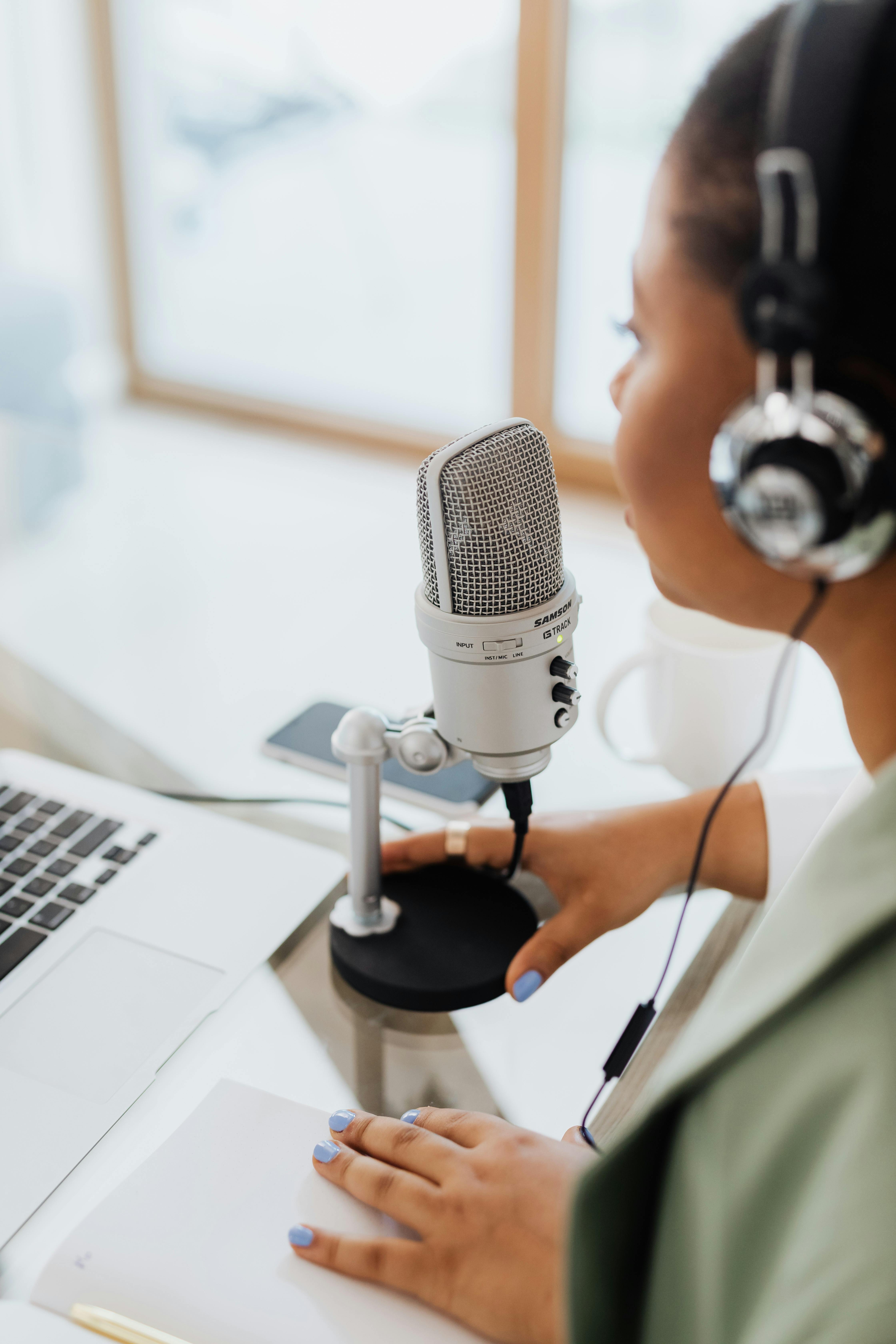
Podcasting emerges as a new audio format. Rather than replacing radio, it expands the audience for spoken-word audio and proves that people's appetite for listening is essentially unlimited.
2012

Radio's presence in smartphones via streaming apps extends the broadcast signal far beyond the transmitter. A station in Chattanooga can now reach a listener in Phoenix. Local radio gains a global footprint without losing its local soul.
2020

The pandemic keeps the world at home. Radio listening in cars drops briefly, but in-home listening surges. Stations adapt in days, broadcasting from living rooms and closets. Radio's essential nature reasserts itself. People need voices they trust.
2024

82% of Americans still tune into AM/FM radio every week, more than any other audio medium. Radio commands 62% of all ad-supported audio time. A technology born in a garden in 1895 remains, by every meaningful measure, the most listened-to medium in the world.
Today
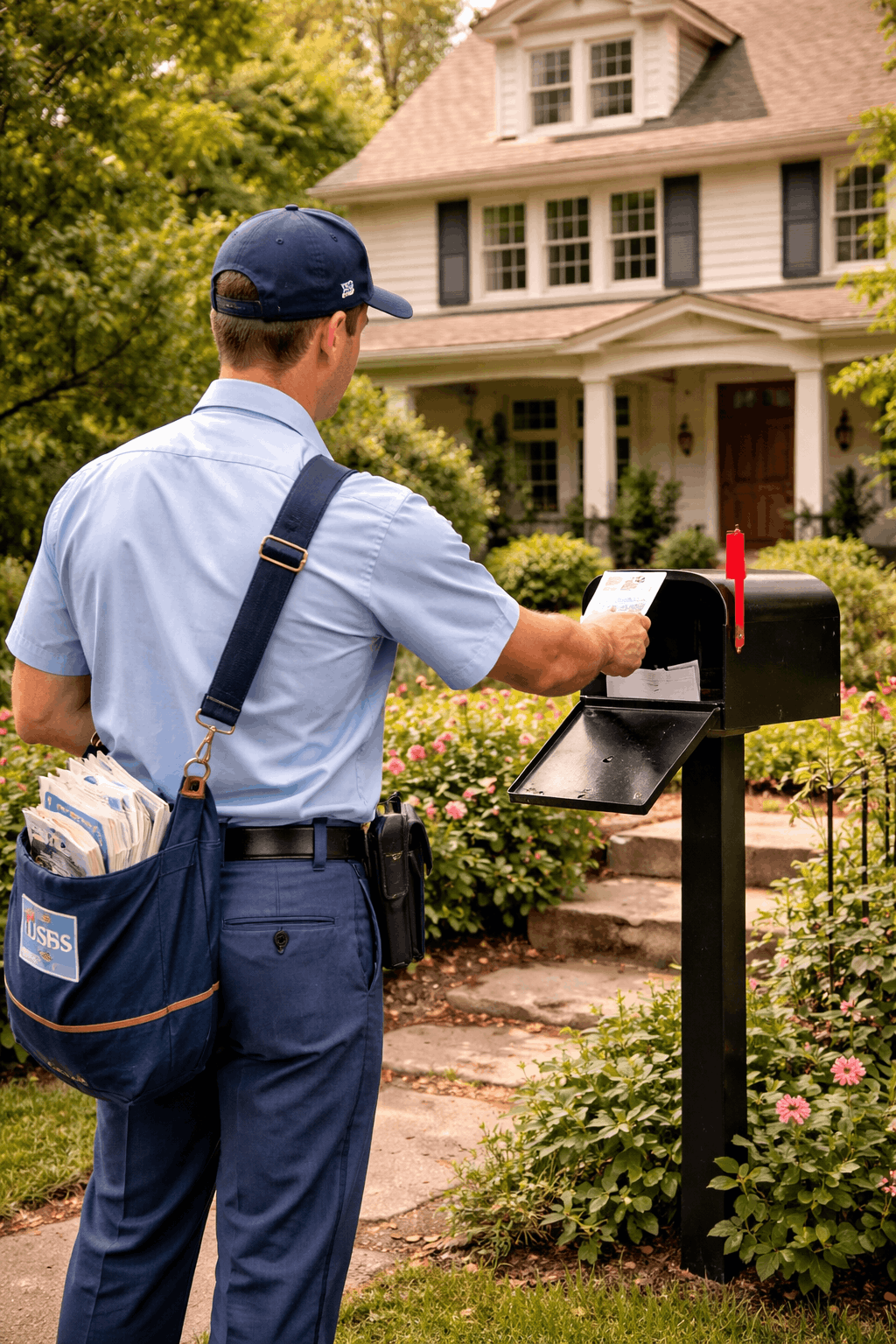
You received a card in the mail. You're here. And the conversation continues to build radio in its best way for your generation.